
Compare six-seat electric carts and a 1000cc 2WD/4WD UTV to match resort, fleet, and off-road procurement requirements.
UTV procurement becomes easier when buyers start with the operating route rather than a long equipment checklist. Passenger capacity, daily distance, terrain, charging access, and required certification quickly reveal whether a low-speed electric cart, a higher-performance electric vehicle, or a combustion-powered UTV is the practical choice.
Match Electric Performance to the Route
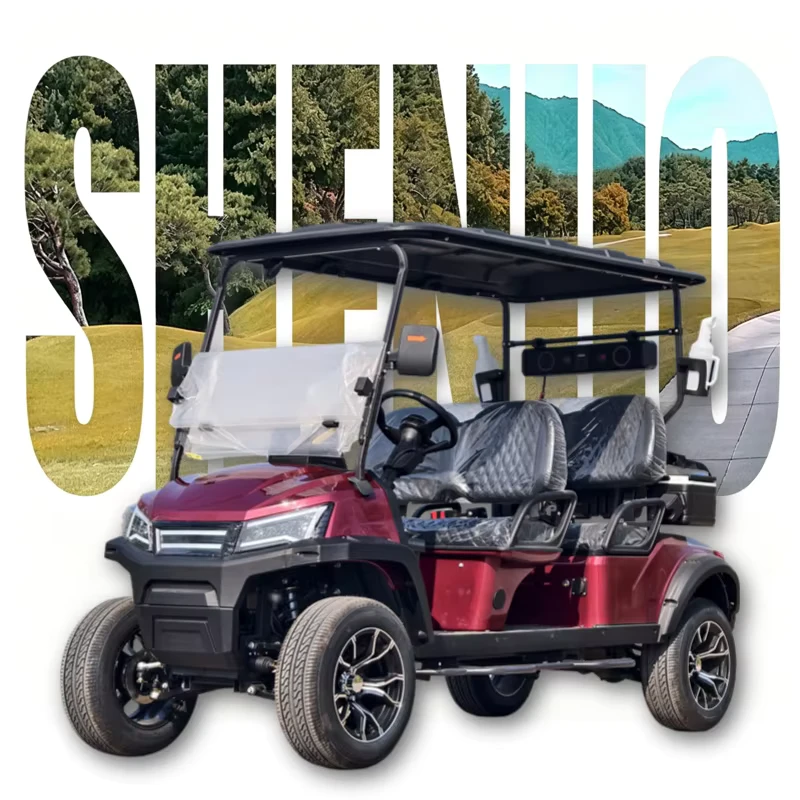
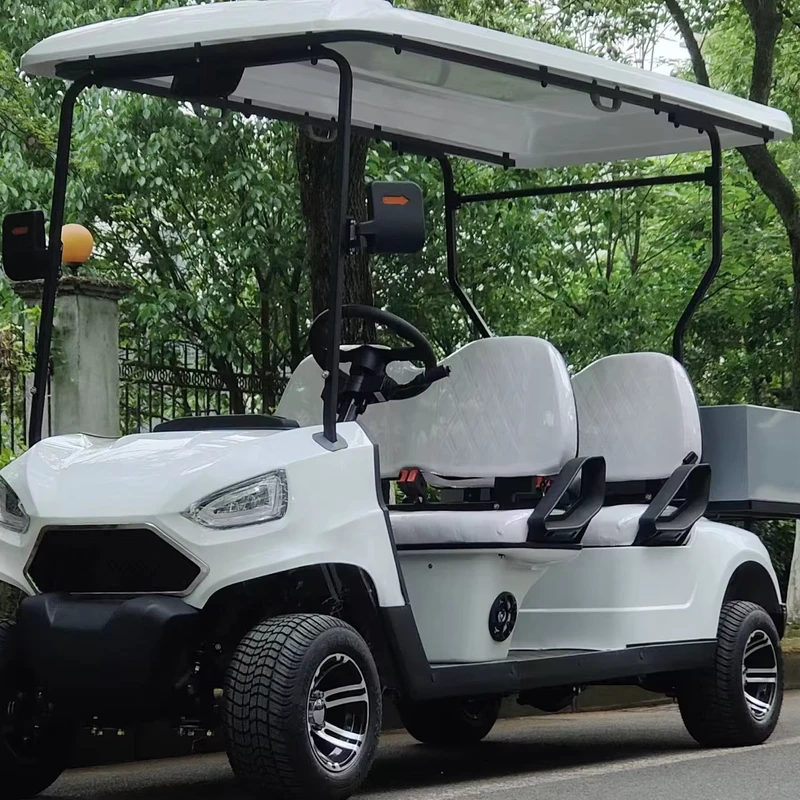
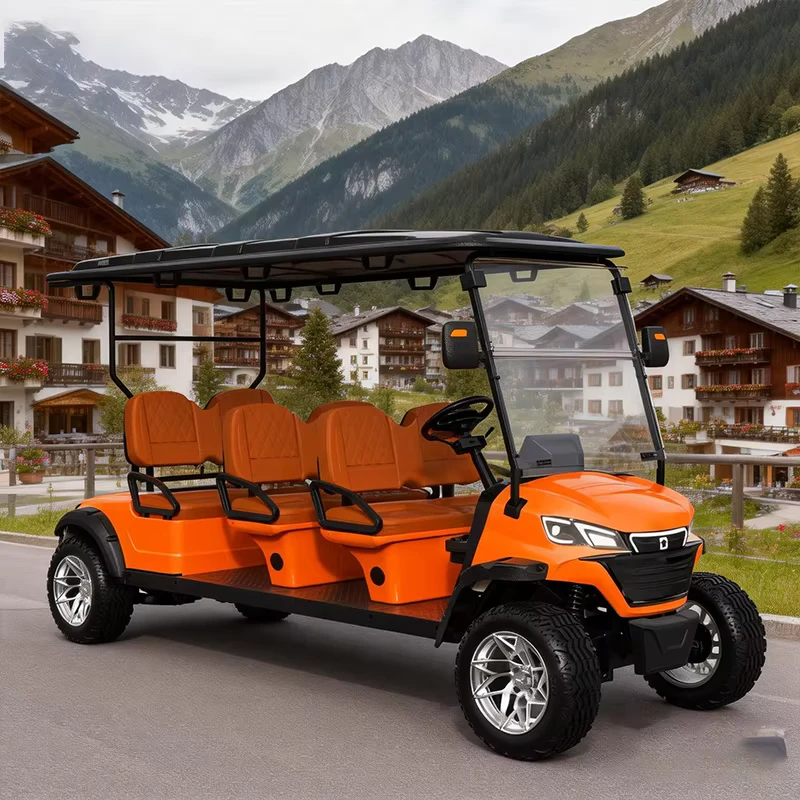
For resorts, campuses, gated communities, and sightseeing operations, the six-seat electric cart offers a listed driving range of 50–70 km and a maximum speed of up to 30 km/h. Its 5 kW motor, 12-inch off-road tires, 200–250 mm ground clearance, and front and rear disc brakes support controlled passenger movement on mixed paved and light off-road surfaces.
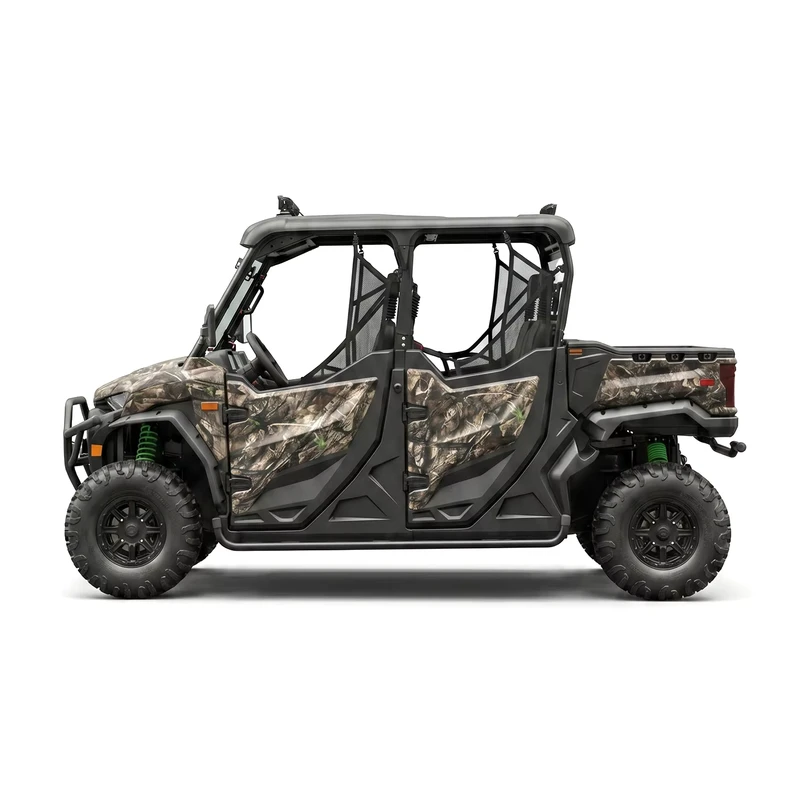
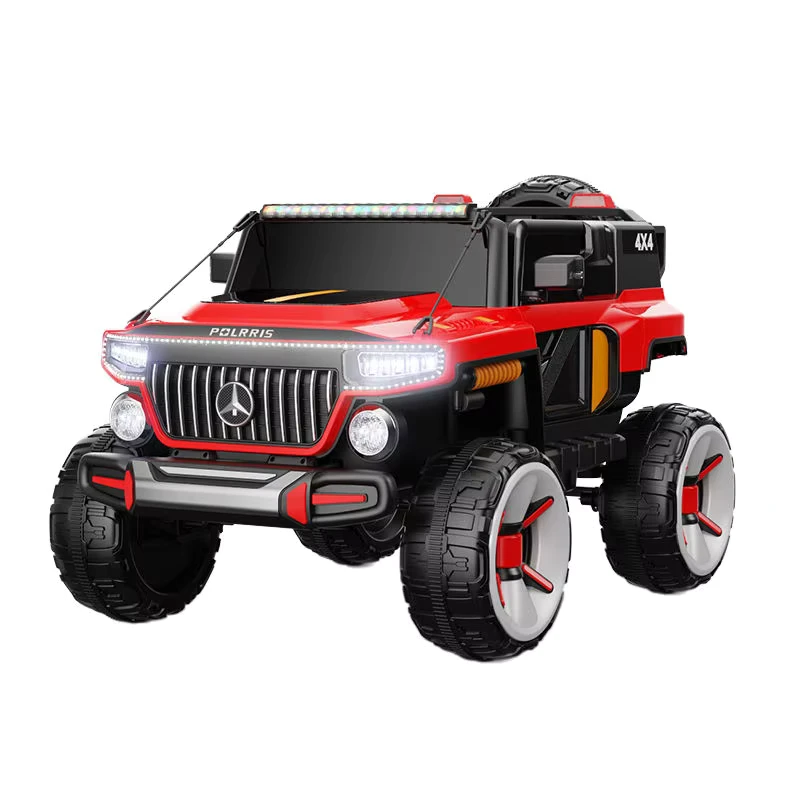
Projects involving longer routes or steeper terrain can consider the long-range electric UTV. The listed specifications include a range of at least 90 km, speed of at least 70 km/h, grade ability of at least 25 degrees, and ground clearance of at least 300 mm. OEM service is accepted, making it relevant to importers and brands developing differentiated fleet products.
Plan for Demanding Off-Road Use
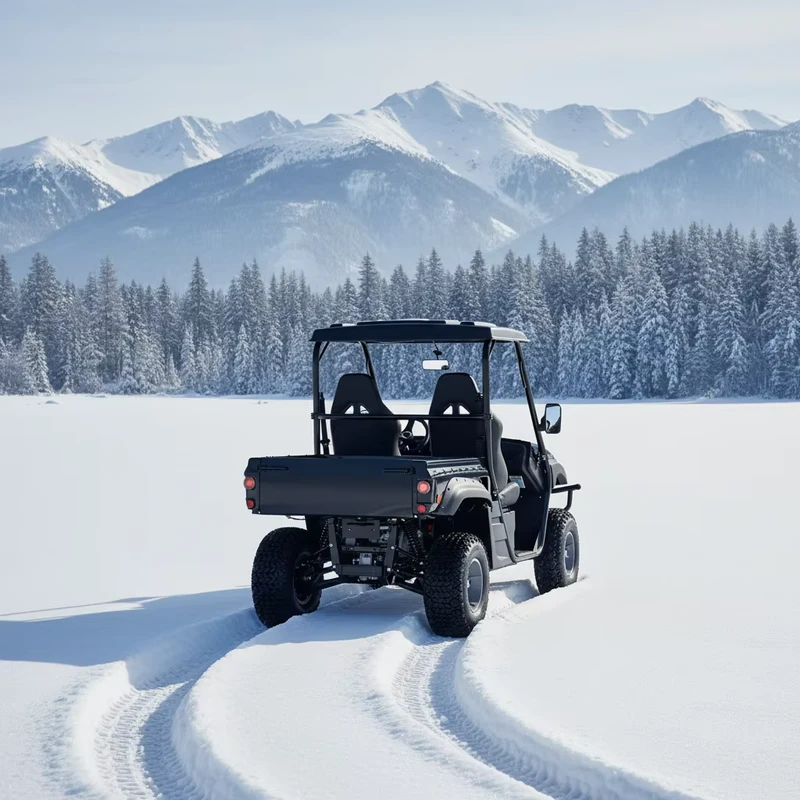
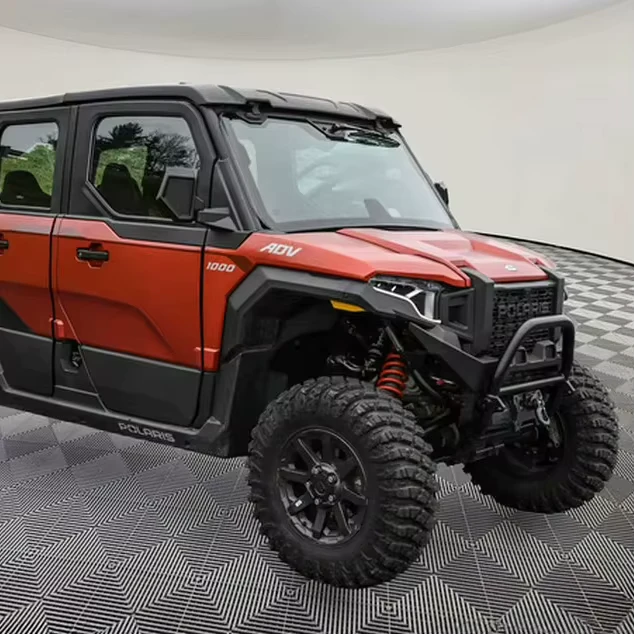
Where speed, traction, and extended field operation matter more than quiet electric transport, the 1000cc utility UTV provides a different platform. It is specified with switchable 2WD/4WD, an automatic transmission, differential lock, 20–25-degree grade ability, and a payload capacity of at least 500 kg. Gas or diesel configurations are listed, together with a 40–50 L fuel tank.
Before ordering, buyers should confirm local certification needs, battery configuration, charging standards, speed limits, accessories, branding, packaging, and spare-parts support. Share your target market, application, quantity, and customization requirements to begin a focused quotation and specification review.