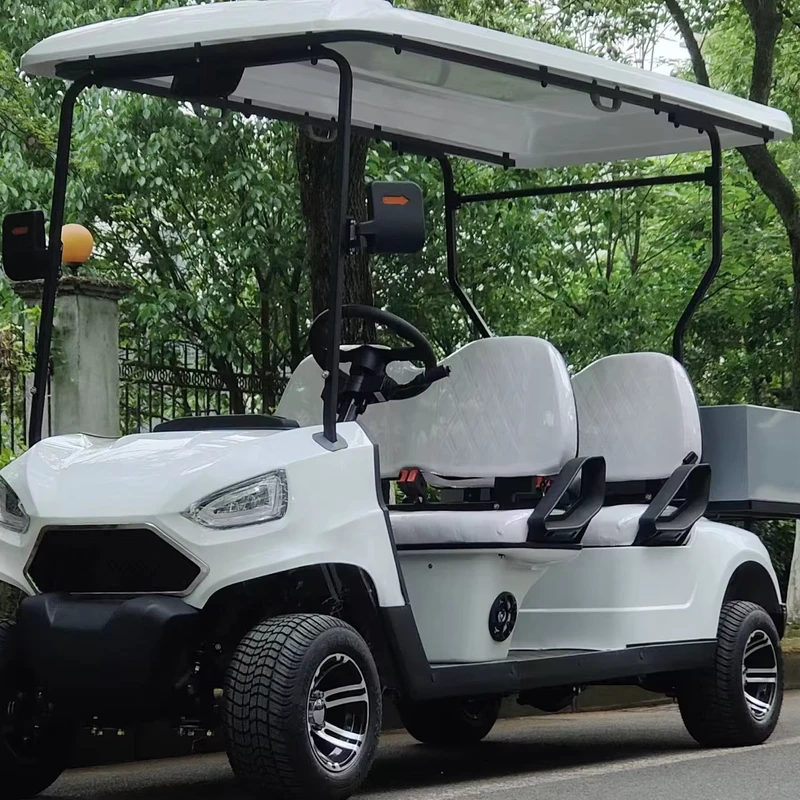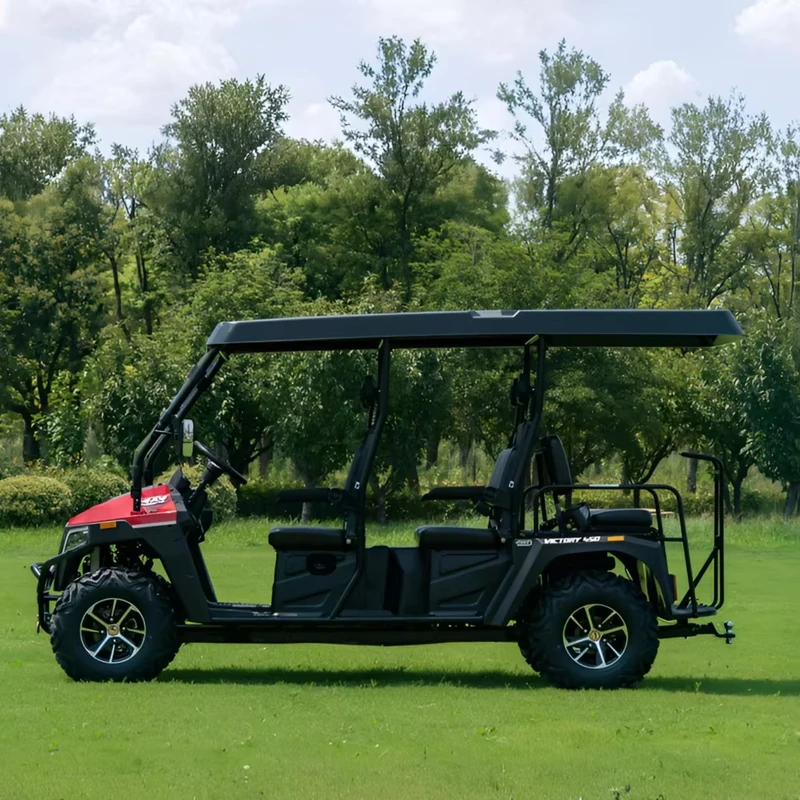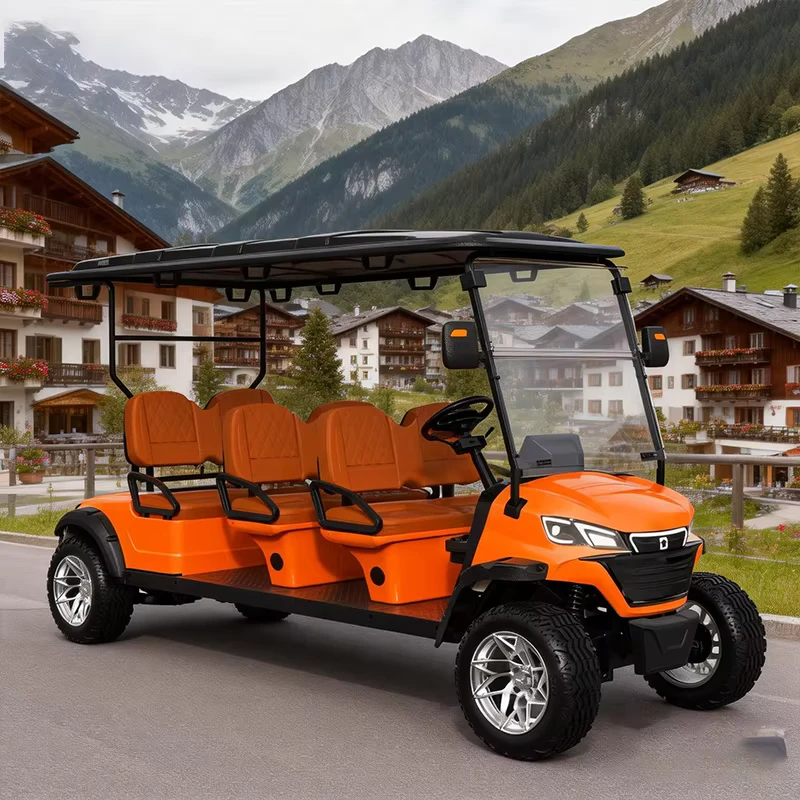

Compare a community cart, a 24V four-seat kids’ UTV, and a six-wheel ride-on to build a focused wholesale electric vehicle offer.
The term “electric UTV” can describe very different products, from practical passenger transport to recreational children’s vehicles. For importers and distributors, recognizing these distinctions is essential when defining sales channels, compliance requirements, pricing tiers, and customer expectations.
Community Mobility for Adult Passengers
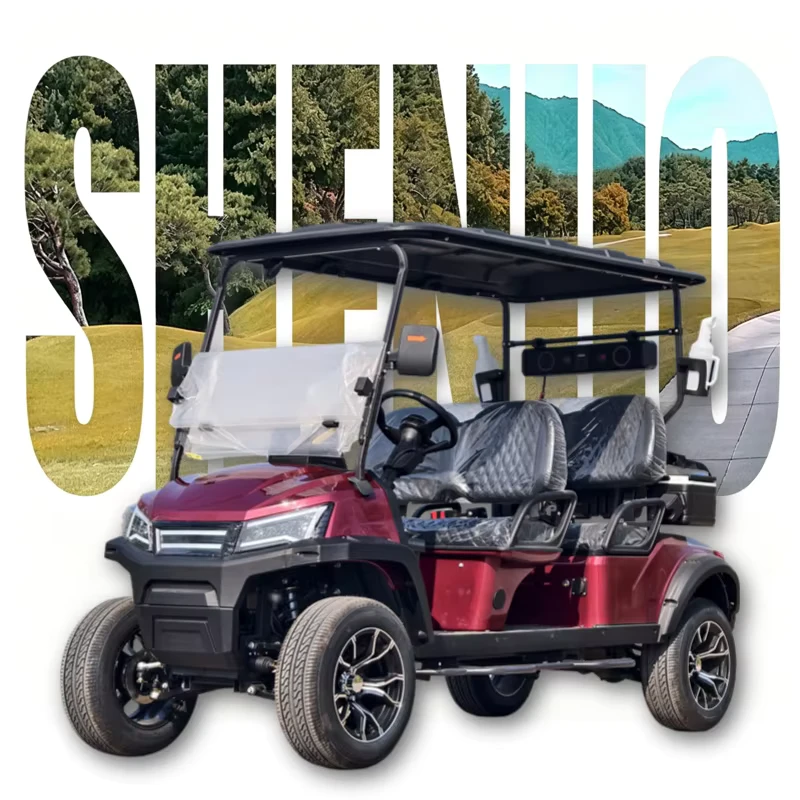
The electric community cart is configured for three to four occupants and uses a 48V lithium battery with 100Ah or 150Ah capacity options. Its listed driving range is at least 90 km, while the stated 30–50 km/h maximum speed and grade capability of at least 25 degrees suit community routes, resorts, campuses, and managed properties. Buyers can also review customized colors, seating options, charging time, and destination-specific certification documents.
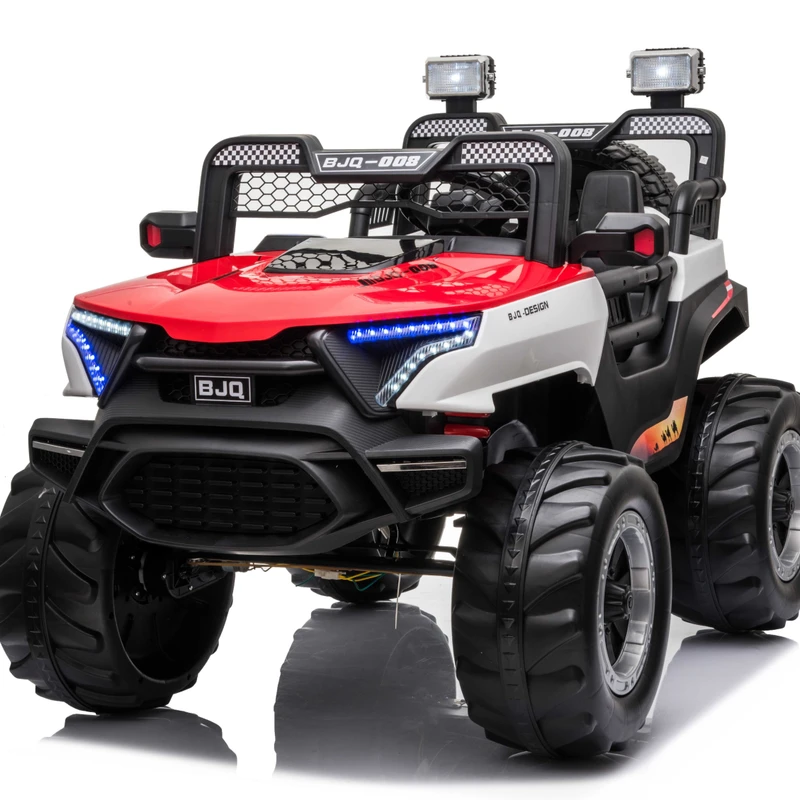
A different retail opportunity comes from the 24V kids’ UTV. This plastic four-wheel ride-on is positioned as a four-seat children’s vehicle and includes electric operation and remote control functionality. Red, green, and yellow options can support colorful toy assortments, while its CCC certification should be assessed alongside the safety and labeling rules of each target market.
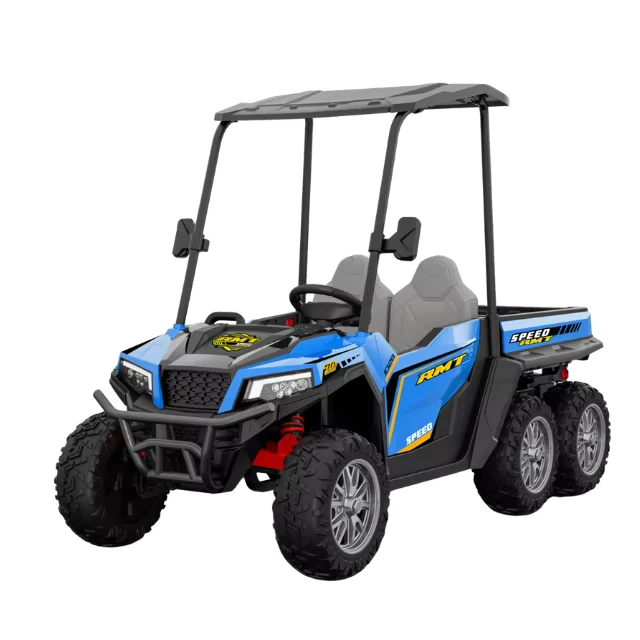
The six-wheel ride-on truck offers another visual and functional direction. It uses a 12V battery, measures 163 × 75 × 107 cm, and is available in blue, red, black, and orange. A low-power alarm, accelerator operation, and one-click disassembly give wholesalers additional features to discuss with retailers and brand customers.
Source by Channel, Not Name Alone
Before selecting products from the broader 4 seat UTV range, procurement teams should compare intended users, battery specifications, packaging dimensions, local compliance, spare-parts needs, and after-sales expectations. Share your destination market, order volume, and preferred configuration to begin a focused sourcing discussion.